











 Compliance-first delivery
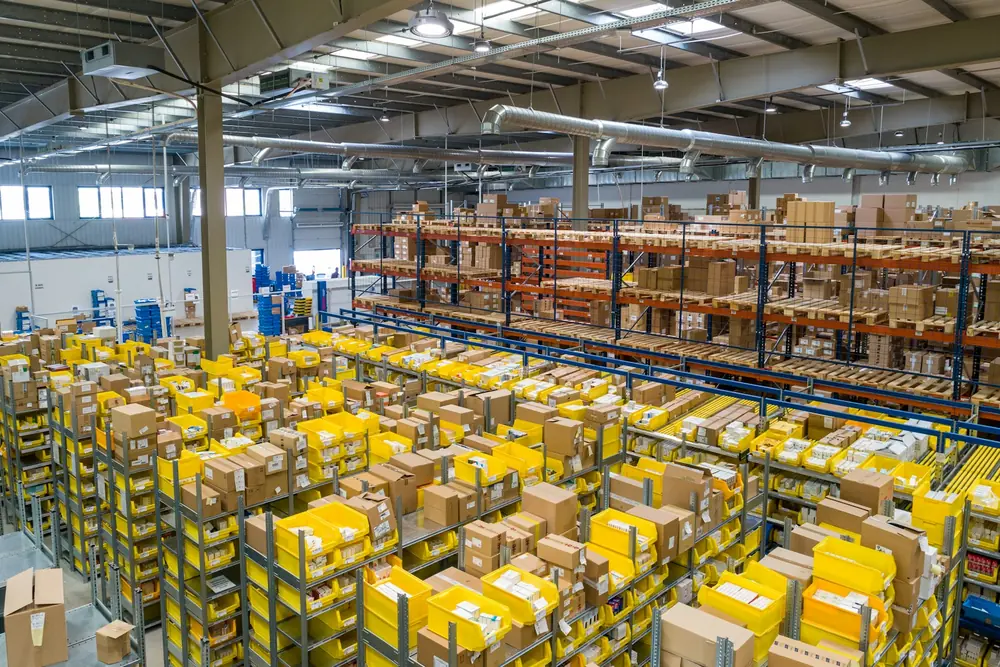
Logistics runs on handoffs, and most of the data gets lost there
A single shipment can pass through a shipper’s ERP, a forwarder’s system, two carriers, a warehouse management system, a customs broker and a delivery app. Each one knows something important, such as where the goods are, whether they cleared, or why they are late, but few share it in real time. Customers ring to ask “where is my order?” because nobody can tell them.
We connect those systems with event-driven integration that speaks both EDI and APIs, build driver and warehouse apps that work offline, and turn scan and GPS events into dashboards and ETAs people can act on. Where it helps, we add forecasting and route models.
What logistics teams are wrestling with
Usually a mix of integration gaps, paper processes and late information.
“Every new customer means a new EDI project”
Each shipper, carrier and marketplace has its own formats, so onboarding takes weeks.
“We find out about delays after the customer does”
Tracking updates arrive in batches, and exceptions are spotted far too late.
“Proof of delivery is still paper”
Signatures and photos come back days later, delaying invoicing and disputes.
“Our WMS and ERP disagree on stock”
Inventory, orders and billing need daily manual reconciliation.
“Billing customers is a spreadsheet exercise”
Storage, handling and accessorial charges are calculated by hand each month.
“We have data, but no answers”
GPS pings and scan events pile up without dwell, OTIF or cost-to-serve insight.
Logistics solutions from dock to doorstep
Each one closes a specific visibility or handoff gap.
Integration hub: EDI and APIs
The challenge
Customers, carriers and marketplaces each demand a different format, from X12 and EDIFACT to REST APIs and CSV over SFTP.
Our approach
We build one integration hub with reusable mappings, partner onboarding templates, retries and monitoring, so a new trading partner becomes configuration rather than a project.
What you get
- Reusable EDI and API mappings
- Partner onboarding templates
- Monitoring of failed messages
- Faster onboarding of new partners
Real-time visibility & ETAs
The challenge
Shipment status is scattered across carrier portals, telematics and spreadsheets.
Our approach
We bring GPS, telematics, carrier and scan events into one event stream, calculate ETAs, raise exceptions automatically and share live status with customers through portals, notifications or APIs.
What you get
- Unified shipment event stream
- ETA calculation and exception alerts
- Customer tracking portal and API
- Notifications on WhatsApp, SMS and email
Driver & warehouse apps
The challenge
Drivers and warehouse staff work with paper, generic apps or devices that fail without signal.
Our approach
We build offline-first mobile apps for pickup, delivery and warehouse tasks, with barcode scanning, photo and signature proof, route lists and secure sync when the connection returns.
What you get
- Offline-first Android and iOS apps
- Barcode scan and photo/signature POD
- Route and task lists
- Secure background sync
Billing & document automation
The challenge
Monthly 3PL billing, freight invoices and shipping documents rely on manual data entry.
Our approach
We automate rating and billing from WMS and TMS events, generate invoices, e-way bills and shipping documents, and reconcile carrier invoices against agreed rates.
What you get
- Activity-based billing engine
- Automated invoices and documents
- Carrier invoice audit
- GST e-invoice and e-way bill integration
Supply-chain analytics & forecasting
The challenge
Leaders need OTIF, dwell time, cost-to-serve and capacity forecasts, not raw scan logs.
Our approach
We build a logistics data model and dashboards, then add demand and volume forecasting so you can plan labour, fleet and space ahead of peaks.
What you get
- Logistics data model and warehouse
- OTIF, dwell and cost-to-serve dashboards
- Volume and demand forecasting
- Exception and root-cause analysis
Rules and standards shaping logistics data
Digital documents, traceability and tax integration are becoming mandatory. These are the ones we design for.
FSMA Section 204 traceability
The FDA food traceability rule requires key data elements for critical tracking events and records within 24 hours on request. Its compliance date has been extended to 20 July 2028, which leaves time to build properly.
eFTI Regulation
EU rules on electronic freight transport information require authorities to accept certified digital freight documents, phasing in through 2027. That is a push towards structured, shareable shipment data.
GST e-invoicing & e-way bills
E-invoicing applies to businesses above ₹5 crore annual turnover, and e-way bills are required for moving goods above the threshold value. Both integrate directly with transport and billing systems.
National Logistics Policy & ULIP
The Unified Logistics Interface Platform exposes government logistics data (such as vehicle, FASTag and port data) through APIs that logistics companies can integrate.
EDI: X12 & EDIFACT
Load tenders (204), shipment status (214) and freight invoices (210) in X12, and IFTMIN/IFTSTA in EDIFACT, remain the backbone of shipper-carrier exchange.
Driver & consignee data
Location tracking and delivery data are personal data under GDPR and India’s DPDP Act, so they need purpose limits, retention rules and access control.
Status as of October 2026. Regulations change; we help you design, implement and evidence technical controls. Legal interpretation belongs with your counsel, and certifications or audit opinions are issued by independent bodies, not by us.
Systems and standards we connect
- X12 204/210/214
- EDIFACT
- AS2 / SFTP
- REST & webhooks
- GS1 barcodes
- GPS / telematics APIs
- GST e-invoice & e-way bill APIs
- SAP & Oracle ERP
- Tally
- Shiprocket & carrier APIs
- Kafka
- Android / iOS
Products logistics teams use with our engineering
Built and run by us, covering customer enquiries and cloud costs.


Insight OS
Analytics, live chat & leads in one script Live chat, WhatsApp and call enquiries in one inbox, so “where is my shipment?” questions get answered fast. Visit insight.hi4.in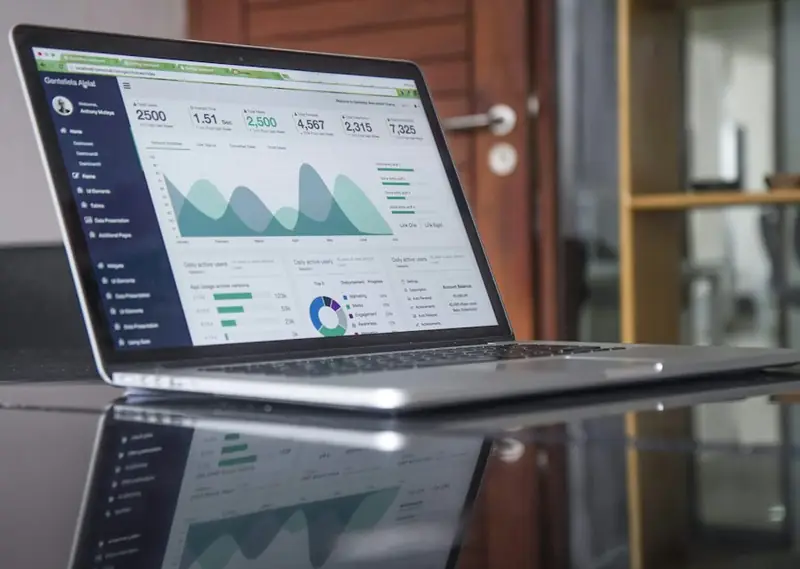

CloudMonitor
See your entire cloud, clearly — multi-cloud cost, security & inventory Keep the cloud cost of tracking and event pipelines visible and under control across AWS, GCP and Azure. Visit cloud-monitor.radiatus.comA typical first engagement: the visibility gap analysis
Two to four weeks, fixed scope. It follows real shipments to show where information is lost.
System & partner map
Every system, trading partner and data format involved in your top shipment flows.
Shipment trace
Sample shipments followed end to end, measuring when each party learns about each event.
Integration design
A target integration hub and event model, with reuse across partners.
Roadmap & pilot
A phased plan and a pilot with one key partner or lane to prove the approach.
Guides and terms for logistics teams
Guides
Questions logistics teams ask us
Yes. Many partners still use X12 or EDIFACT over AS2 or SFTP while others offer REST APIs. We build one integration layer that handles both, with reusable mappings and monitoring.
Yes. We build offline-first apps that store tasks, scans, photos and signatures locally and sync securely when a connection returns.
No. We integrate, extend and build around the TMS, WMS and ERP you already use, or help you choose one. If an off-the-shelf product fits better than custom software, we will say so.
Yes. We integrate with the government APIs directly or through GST Suvidha Providers, so invoices and e-way bills are generated from your operational data.
A focused pilot, such as live tracking for one lane or automated onboarding for one partner, can often go live within weeks of the gap analysis, depending on partner testing.
Customers still ringing to ask where their shipment is?
Show us one lane or one partner. We will show you how to make it visible.