




 Compliance-first delivery

Modernisation fails when it tries to do everything at once
The ERP customisations, the reporting database everyone depends on, the Windows servers in a cupboard and the scripts that run payroll were all good decisions once. Replacing them in one go is how modernisation projects end up late, over budget and quietly cancelled. We prefer to modernise in slices: put observability around what exists, carve off one capability, prove it, then move to the next.
Typical starting points are a technology and cloud roadmap, a landing zone and migration plan, identity and access hardening and application modernisation. For MSMEs without a large IT team, managed IT services keep everything patched, backed up and monitored.
What we hear from enterprise and MSME IT leads
Legacy is not a technology problem alone. It is about risk, people and budget.
“Only one person understands the old system”
Knowledge is concentrated in a few people, so every change is risky and holidays are a worry.
“We’re still running unsupported software”
Old Windows Server, Windows 10 desktops (support ended 14 October 2025), legacy PHP or Java versions that no longer get security fixes.
“Our last migration project stalled”
A big-bang plan ran out of budget halfway, leaving two half-systems to maintain.
“We don’t know what we have”
No reliable inventory of servers, licences, SaaS apps or who has admin access.
“Ransomware is our biggest fear”
Backups are untested, admin accounts are shared and MFA is patchy.
“We can’t hire cloud and security people”
Small IT teams spend their time firefighting rather than improving anything.
Enterprise solutions, sized to your organisation
From a 50-person MSME to a multinational’s regional IT, the approach is the same. Only the scale changes.
Application portfolio & roadmap
The challenge
Dozens of applications with unclear owners, costs and risks, and pressure to “move to the cloud” without a plan.
Our approach
We inventory applications and infrastructure, score each on business value, risk and effort, decide whether to retire, rehost, replatform or rebuild, and turn that into a sequenced, costed roadmap.
What you get
- Application and infrastructure inventory
- Retire / rehost / replatform / rebuild decisions
- Sequenced, costed roadmap
- Business case your board can read
Incremental application modernisation
The challenge
A monolith or legacy ERP extension that is slow to change and risky to touch.
Our approach
We add observability first, then extract capabilities behind the existing interface (the strangler pattern) into cloud-native services with automated tests and pipelines, so each step can be measured and rolled back.
What you get
- Observability around the legacy system
- Extracted services with APIs
- Automated tests and CI/CD
- Decommission plan for old components
Identity & ransomware resilience
The challenge
Shared admin accounts, inconsistent MFA, flat networks and backups nobody has ever restored.
Our approach
We centralise identity with SSO and MFA, remove standing admin rights, segment the network, harden endpoints and set up immutable, tested backups, then run a penetration test to confirm.
What you get
- SSO and MFA everywhere
- Privileged access cleanup
- Immutable, tested backups
- Penetration test and remediation
Managed IT for lean teams
The challenge
A small IT team stuck on patching, tickets and backups, with no time for improvements.
Our approach
We take on monitoring, patching, backup, DR and incident response under clear SLAs, document everything, and report monthly, freeing your team for projects.
What you get
- 24/7 monitoring and alerting
- Patch and vulnerability management
- Backup, DR and restore tests
- Monthly service and risk report
Senior engineers on demand
The challenge
A modernisation programme needs cloud, data or security skills you do not have in-house.
Our approach
We embed vetted senior engineers in your team, working under your leadership, processes and tools, for as long as you need them, with knowledge transfer built in.
What you get
- Vetted cloud, DevOps, security and data engineers
- Your processes, tools and approvals
- Flexible scale-up and scale-down
- Documented knowledge transfer
Frameworks enterprise IT is measured against
Whether it comes from regulators, auditors or customers, the requirement is the same: show your controls work.
ISO/IEC 27001:2022
The most widely requested security certification. Transition from the 2013 edition ended on 31 October 2025. Our readiness checklist explains the path.
NIS2 Directive
Extends cybersecurity duties (risk management, incident reporting, supply-chain security) to medium and large organisations in many sectors. Member states were required to transpose it by 17 October 2024.
CERT-In directions (2022)
Covered organisations must report specified incidents within six hours and keep ICT logs for 180 days within India. That shapes logging and incident runbooks.
SOX IT general controls
Listed companies and their subsidiaries must evidence access, change and operations controls over financial systems. Pipeline-based change control makes this much easier.
End-of-support software
Windows 10 reached end of support on 14 October 2025. Unsupported operating systems and runtimes are a common audit finding and ransomware entry point.
EU Data Act
Since 12 September 2025 it has given customers stronger rights to switch cloud providers and move their data, which is useful leverage when you plan a migration.
Status as of October 2026. Regulations change; we help you design, implement and evidence technical controls. Legal interpretation belongs with your counsel, and certifications or audit opinions are issued by independent bodies, not by us.
Platforms we modernise and migrate
- Windows Server & Active Directory
- Microsoft Entra ID
- Microsoft 365
- Google Workspace
- VMware
- AWS
- Azure
- Google Cloud
- .NET
- Java
- PHP / Laravel
- SQL Server
- Oracle
- SAP integrations
Products that help enterprise IT stay in control
Built and run by us, and used in our own managed-services work.

CloudMonitor
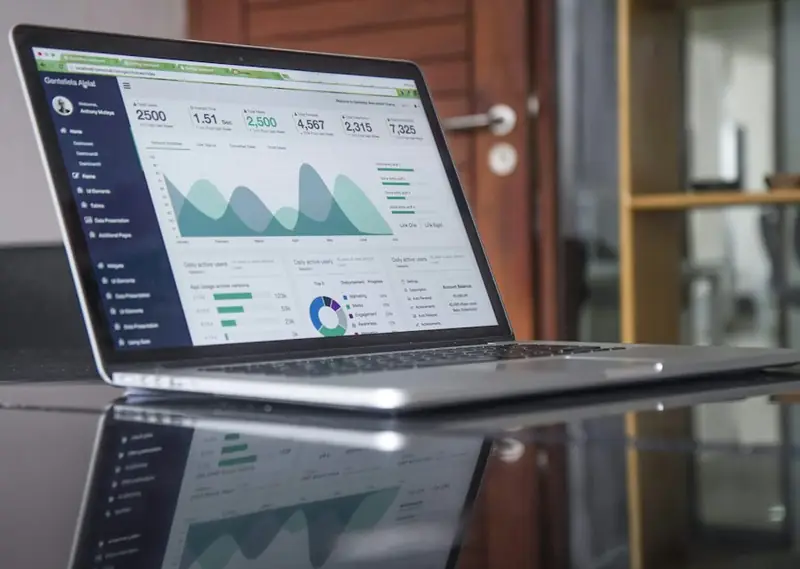
See your entire cloud, clearly — multi-cloud cost, security & inventory Unified AWS, GCP and Azure inventory, spend and security scoring, ideal during and after a migration. Visit cloud-monitor.radiatus.com

GRC Platform
Governance, Risk & Compliance, automated Policies, risks, controls and audit evidence in one place for ISO 27001, SOC 2 and internal audit. Visit grc.radiatus.com
SemperWise
AI-first cybersecurity: VAPT, pentesting & compliance on SemperWise One™ Penetration testing, red teaming and compliance support from our group’s cybersecurity practice. Visit semperwise.comA typical first engagement: the modernisation assessment
Four to six weeks, fixed scope. It produces a roadmap you can fund, not a slide deck of buzzwords.
Stakeholder interviews
IT, finance, operations and security leads describe what works, what hurts and what is planned.
Discovery
Automated and manual inventory of applications, infrastructure, identities, licences and data flows.
Options & costs
Disposition for each system, target architecture, security baseline and cost model, including run costs.
Roadmap & first slice
A sequenced plan, and a recommended first slice small enough to deliver and prove within a quarter.
Guides and terms for enterprise teams
Guides
Questions enterprise teams ask us
No. Some workloads are cheaper or simpler to keep on-premises or in a co-location facility, and some should simply be retired. The assessment decides per system based on cost, risk and value.
Incrementally. We add observability first, then move one capability at a time behind the existing interface, run old and new in parallel where needed, and switch traffic gradually with a rollback path.
Yes. For MSMEs we often act as the IT team: identity and email security, device management, backups, cloud hosting and a helpdesk-style support channel under a managed-services agreement.
We integrate with ERPs through their supported APIs and middleware and modernise the custom applications around them. We are not an ERP implementation partner, and we will say so if you need one.
It depends on the number of users, servers and cloud accounts and the support hours you need. We quote a fixed monthly fee after a short discovery so there are no surprises. See our pricing page for typical engagement models.
Carrying legacy systems you’re nervous to touch?
Tell us what you run today. We will suggest the smallest safe first step.